Welcome to Freq Link, the leading platform that directly connects you to the latest satellite channel frequencies and the secrets of perfect reception in a world that renews daily with new channel launches and continuous updates on satellites. We are here to be the smart link between you and a strong signal with crystal-clear picture, through professional content that combines technical precision with ease of application—whether you’re searching for an exclusive sports channel, a high-definition movie bouquet, or live global news from reliable sources.
What distinguishes Freq Link is our commitment to providing instantly updated frequency links, supported by practical tips and accurate coverage maps for major satellites such as Nilesat, Arabsat, Hotbird, Astra, and Eutelsat, enabling you to add any channel quickly and stably no matter your geographic location. Join us on this daily journey toward better reception, and discover how a simple adjustment can open up a vast world of high-quality entertainment and knowledge for you.
Welcome to Freq Link, the advanced gateway that connects you directly to everything new in the world of satellite frequencies in a professional and straightforward way. We combine instant updates with precise guidelines to ensure perfect reception for you, no matter how conditions change or technologies evolve. In every article, we take you on a comprehensive tour of a carefully selected channel, focusing on providing reliable frequency links and practical tips that turn any ordinary receiver into a complete entertainment center meeting your daily needs.
Join us in this unique experience that brings the world of satellites closer to you than ever before, with broad coverage of major satellites such as Nilesat, Arabsat, Hotbird, Astra, and Eutelsat, along with everything new in high-definition broadcasting. Freq Link is not just a website; it’s a vital lifeline supplying you with the strong signal and rich content you deserve—get ready to discover a new channel waiting for you behind the next link!
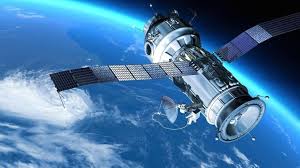
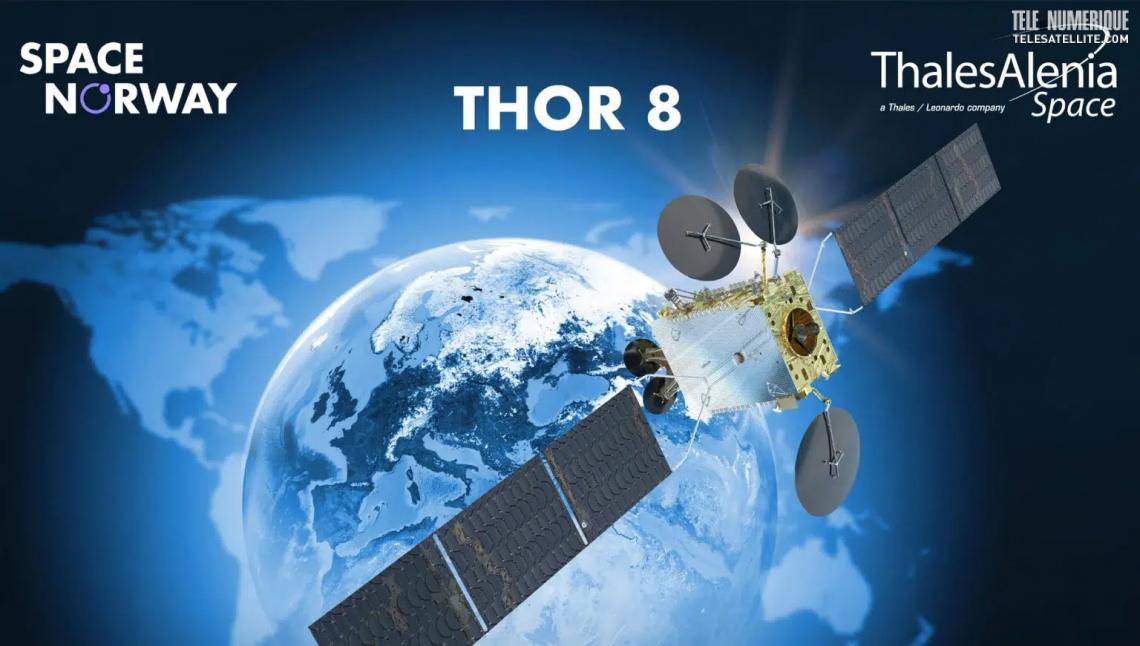
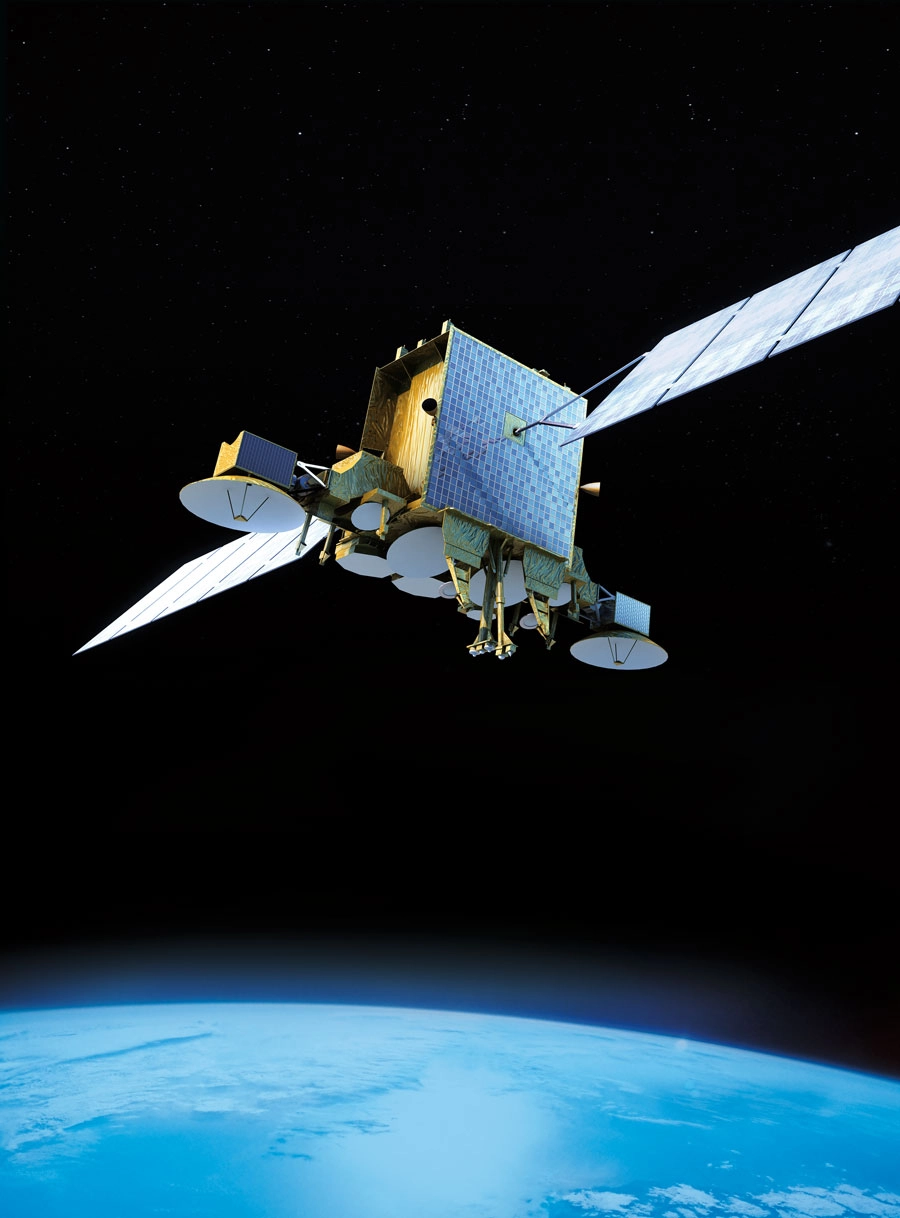
Satellites have revolutionized modern communication, broadcasting, navigation, and weather monitoring. From watching international news channels to using GPS while driving, satellites are an essential part of our daily lives. In this article, we explore what satellites are, their orbital types, and how to receive their signals at home.
🌍 What Is a Satellite?
A satellite is an artificial object launched into space to orbit a planet or other celestial body. Satellites are used for a wide range of applications, including:
-
Television and radio broadcasting
-
Internet and telecommunication
-
GPS and global navigation
-
Military reconnaissance
-
Weather forecasting and climate research
-
Earth observation and scientific exploration
🧭 Types of Satellite Orbits
Satellites orbit the Earth at different heights depending on their mission. The three main types of satellite orbits are:
1. LEO – Low Earth Orbit (160 km – 2,000 km)
-
Orbits Earth in 90–120 minutes
-
Used for: internet (e.g., Starlink), Earth imaging, space stations (ISS)
-
Low latency and high resolution
-
Requires many satellites for global coverage
2. MEO – Medium Earth Orbit (2,000 km – 35,786 km)
-
Orbits Earth in 2–12 hours
-
Used for: GPS, GLONASS, Galileo navigation systems
-
Balanced latency and coverage
-
Fewer satellites needed than LEO
3. GEO – Geostationary Orbit (35,786 km)
-
Remains fixed over one location on the equator
-
Orbits the Earth in 24 hours (same as Earth’s rotation)
-
Used for: TV broadcasting (e.g., Nilesat, Hotbird), communications, weather satellites
-
Provides constant coverage of a large area
-
Higher latency but ideal for broadcasting
📡 How to Receive Satellite Signals at Home
To watch satellite TV or receive satellite data, you need a satellite reception system. Here’s how it works:
🧰 Essential Components:
| Component | Function |
|---|---|
| Satellite Dish | Captures signals from the satellite and reflects them to the LNB |
| LNB (Low-Noise Block) | Converts and amplifies signals from the satellite into usable frequencies |
| Receiver (Decoder) | Translates satellite signals into video/audio or data |
| TV or Monitor | Displays the content |
🛰️ Steps to Receive a Satellite Signal:
-
Choose the Right Satellite:
Example: Hotbird (13°E), Nilesat (7°W), Astra (19.2°E) -
Position the Dish:
-
Use a compass or satellite finder to align the dish to the satellite’s position.
-
Adjust azimuth (left/right), elevation (up/down), and skew (LNB tilt).
-
Fine-tune the signal using a signal meter or the receiver’s signal strength screen.
-
-
Connect the Equipment:
-
Connect LNB to the receiver using a coaxial cable.
-
Connect the receiver to your TV using HDMI or AV cables.
-
-
Scan for Channels:
-
Use your receiver’s menu to scan transponders or manually enter frequency settings.
-
Example:
-
- Save Channels and Enjoy!
💡 Tips for Better Signal Quality:
-
Use a high-quality dish (at least 60–80 cm for most satellites).
-
Ensure there are no obstacles (trees, buildings) between the dish and the sky.
-
Secure the dish firmly to avoid movement due to wind.
-
Weather can affect signal—especially heavy rain (known as rain fade).
🛰️ Popular Broadcasting Satellites:
| Satellite Name | Orbital Position | Usage |
|---|---|---|
| Nilesat | 7° West | Arabic and African channels |
| Hotbird | 13° East | European and some Arabic TV |
| Astra 19.2°E | 19.2° East | Western European channels |
| Galaxy 19 | 97° West | North American international TV |
In conclusion, Freq Link reaffirms its role as a strategic partner in your journey toward professional and sustainable satellite reception, as this article has provided a complete set of precise frequencies, programmatic analyses, and technical guidelines aimed at elevating your daily experience to new horizons of clarity and stability. Every frequency link here is not just numbers, but a key to a rich world of content awaiting you, supported by reliable and up-to-date information that ensures successful reception from the first attempt.
We thank you for your followership and trust in Freq Link as a primary source for frequency links and specialized solutions, and we are always ready to support you in any technical challenge. Contact us via the “Contact Us” page for quick and customized answers from our expert team.
Additional Professional Tips for Superior Reception Performance:
- Create a personal log of ideal signal values for each satellite in your area, so you can quickly compare them and detect any changes early.
- Rely on mobile signal measurement apps connected to the receiver (such as SatFinder with Wi-Fi) for precise adjustments without needing the TV screen.
- When using multi-satellite systems, arrange the DiSEqC order based on signal strength (strongest first) to improve switching speed and stability.
- Use thermal insulating materials around the LNB in extremely hot or cold areas to maintain consistent performance throughout the day.
- Perform a “Factory Reset” once a year followed by a full re-scan to clean the database of inactive old frequencies.
Stay in constant touch with Freq Link, as every new update is a link leading you to stronger signals and better content. Enjoy pleasant viewing and professional reception at every moment!